

Dental Implants
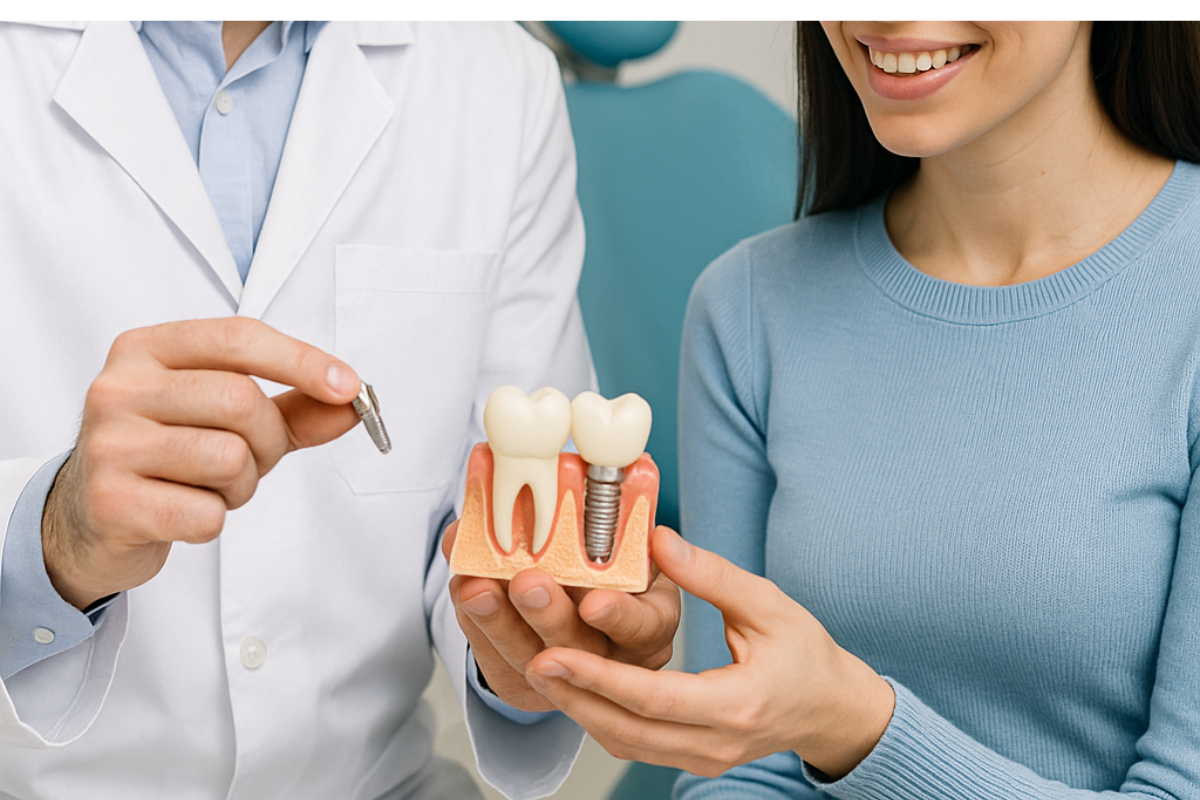
Dental implants are a long-term solution for replacing missing teeth by placing a titanium implant into the jawbone to support a dental crown, bridge, or implant-supported denture. Dental implants restore chewing function, speech, and smile confidence while helping preserve jawbone structure without affecting adjacent healthy teeth. At SDDC Phuket, implant treatment is performed by specialist dentists using advanced digital technologies, including 3D CT imaging and digital treatment planning, to ensure accurate implant placement and predictable outcomes. Our goal is to restore both oral function and aesthetics while providing long-term implant care.
Dental Implants
Dental implants are a method of replacing missing teeth that provides results closest to natural teeth, both in appearance and function, without causing harmful long-term side effects. Implant placement must be performed by a dentist who specializes in implant dentistry to ensure the most effective and safest treatment.
During treatment, the dentist places the implant into the jawbone, allowing the bone to fuse securely with the implant. The implant then serves as an anchor for a fixed prosthetic tooth or a removable denture, enabling efficient chewing that closely resembles the function of natural teeth. Today, dental implants are considered one of the best options for replacing missing teeth.
Types of Dental Implants
Conventional Implant
The conventional implant is the method that takes the longest time. It begins with placing the implant into the jawbone, then waiting for the implant to fuse with the bone (osseointegration), which takes about 3–6 months, to ensure the implant can withstand chewing forces and function like a natural tooth. This method is suitable for patients with healthy teeth and jawbone who are ready for treatment.
Advantages
- Provides confidence in long-term use
- Delivers complete, natural-looking results
- Suitable for patients with adequate jawbone
Disadvantages
- Requires a long recovery period
• Requires a long waiting period between implant placement and crown fitting
2. Immediate Implant
The immediate implant is placed right after tooth extraction, without waiting for the jawbone to heal first. This method is suitable for those who want faster results and don’t want to wait a long time. Bone grafting may sometimes be performed alongside the procedure.
Advantages
- Shortens the overall treatment time
- Restores tooth function more quickly
- No waiting period for the prosthetic tooth to be made
Disadvantages
- May not be suitable for patients with weak jawbone
• Higher risk of infection and issues with implant component placement
3. Immediate Load Implant
The immediate load implant involves placing the implant and fitting the crown at the same time, right after the implant is placed, using high-strength technology and materials to support immediate use after treatment. This method allows patients to avoid a long wait for a crown. Initially, a temporary crown is fitted, and once the wound heals and the implant fuses with the bone over 3–6 months, it is replaced with a permanent crown.
Advantages
- Teeth can be used immediately after placement
- Very fast recovery
- Shorter treatment time with no long wait
Disadvantages
- Requires strong jawbone density
- Risk of movement or infection if fixation is insufficient
- Care needed with chewing; soft foods are recommended initially
Cared for by Our Expert Dental Team
Why Choose Songklanagarind Digital Dental Center Phuket
1. Specialist Implant Team
2. Advanced Digital Implant Planning
3. Natural Function and Appearance
4. Preserve Healthy Teeth and Jawbone
5. Comprehensive Implant Care
6. Trusted University-Based Dental Center
Frequently Asked Questions
-
1. What is a dental implant?
A dental implant is a titanium artificial tooth root placed into the jawbone to support a dental crown, bridge, or implant-supported prosthesis.
-
2. Who is a suitable candidate for dental implants?
People with one or more missing teeth and sufficient jawbone volume may be suitable candidates after a comprehensive dental evaluation.
-
3. Is dental implant surgery painful?
The procedure is performed under local anesthesia. Most patients experience only mild discomfort that can be managed with medication.
-
4. How long does implant treatment take?
Treatment duration varies depending on healing and bone condition. In many cases, several months are required before the final crown is placed.
-
5. Can I receive implants if I have insufficient bone?
Possibly. Some patients may benefit from bone grafting or sinus augmentation before implant placement.
-
6. How long do dental implants last?
With proper oral hygiene, regular maintenance, and professional follow-up, dental implants can function successfully for many years.
-
7. Are dental implants better than dental bridges?
Implants preserve adjacent natural teeth and help maintain jawbone structure, making them an excellent long-term tooth replacement option in many situations.
-
8. How should I care for my dental implants?
Brush and clean around the implant daily, attend regular dental check-ups, and follow your dentist's maintenance recommendations.