




Prosthodontics
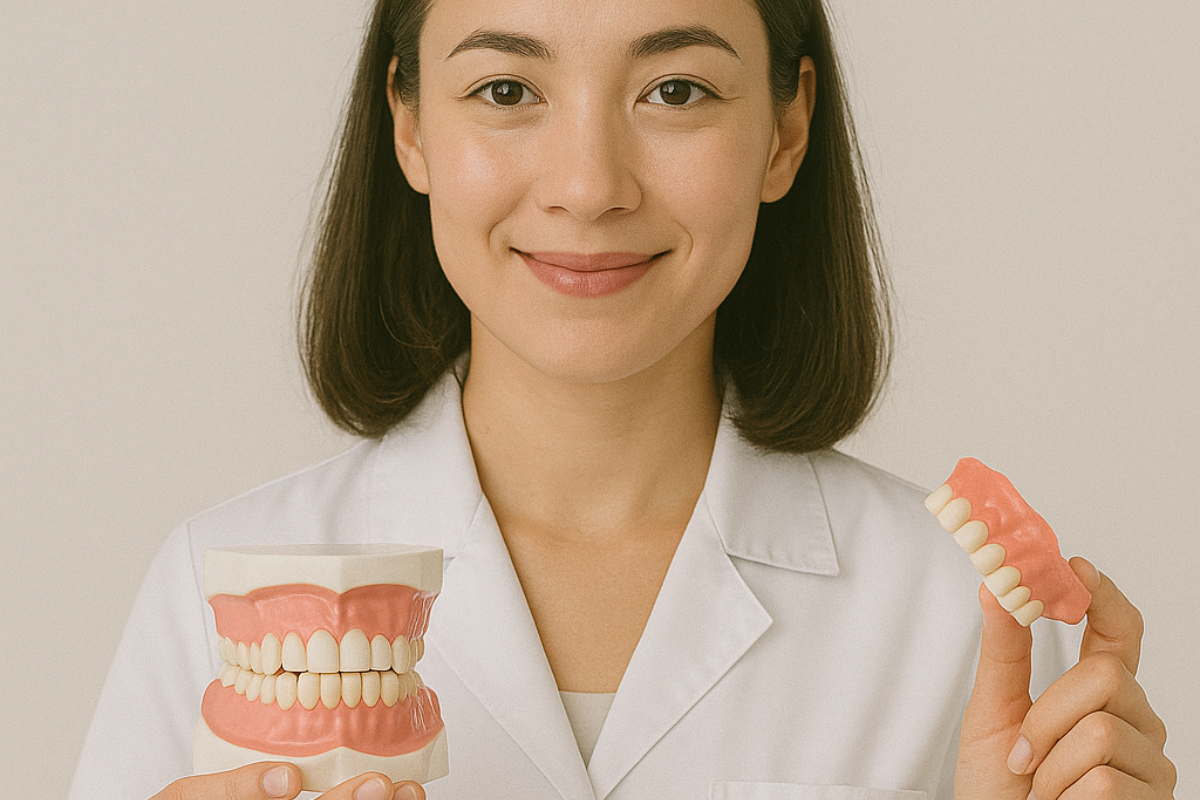
Prosthodontics is the dental specialty dedicated to restoring and replacing missing or damaged teeth to improve oral function, comfort, appearance, and overall quality of life. Treatment includes dental crowns, bridges, removable dentures, complete dentures, implant-supported prostheses, and complex oral rehabilitation. At SDDC Phuket, specialist prosthodontists combine advanced digital technology with personalized treatment planning to restore chewing efficiency, speech, and smile aesthetics. Our goal is to provide durable, functional, and natural-looking restorations tailored to each patient’s needs.
Prosthodontics is the branch of dentistry focused on restoring and replacing missing teeth, as well as enhancing the appearance and function of teeth to be as close to natural as possible. High-quality dental materials are used to help patients chew, speak, and smile with confidence again.

Dental Crown
A dental crown is a restoration that covers a damaged, fractured, or root-canal-treated tooth to strengthen it, protect it, and restore its shape, appearance, and function.
Crowns can be made from various materials, such as porcelain, ceramic, zirconia, metal alloys, or porcelain fused to metal.
Suitable for:
- Teeth damaged by fracture or wear
- Teeth that have had root canal treatment
- Teeth with deep decay or large existing restorations
- Or restorations placed on dental implants
Dental Bridge
A dental bridge replaces a missing tooth by anchoring an artificial tooth to the adjacent natural teeth (abutment teeth) through crowns, bridging the gap left by the missing tooth.
A bridge helps restore chewing function and maintains the natural shape of the face.
Suitable for:
- Patients missing one or several consecutive teeth
- Those who want a permanent tooth replacement that doesn’t need to be removed
Removable Dentures
Removable dentures are an option for patients who have lost several teeth or all of their teeth. They can be easily removed for cleaning and customized to suit each patient’s needs.
Available as either partial dentures or complete dentures.
Suitable for:
- Patients who have lost multiple teeth
- Those who want a flexible option without dental implant surgery
Flexible Dentures
Flexible dentures are made from a special, highly pliable material that feels comfortable to wear, is lightweight, and fits naturally against the gums. They also reduce friction and irritation compared with traditional dentures.
Suitable for:
- Patients who find conventional rigid dentures uncomfortable
- Those who want a more flexible, natural-looking denture
Comparison Table: Crown | Bridge | Removable Dentures | Flexible Dentures
Type of Treatment | Advantages | Limitations |
|---|---|---|
Dental Crown | Strengthens weakened teeth | Requires some natural tooth reduction |
Dental Bridge | Quick tooth replacement | Requires reshaping of adjacent teeth to anchor the bridge |
Removable Dentures | Affordable | May feel loose during use |
Flexible Dentures | Lighter and more comfortable than traditional dentures | More expensive than regular dentures |
Details of Materials Used in Prosthodontics
Dental Crown
Material Type | Properties | Notes |
|---|---|---|
All-Ceramic | Natural tooth-colored appearance, no metal, ideal for front teeth | Less strong than metal alloys, may not withstand very high biting force |
Porcelain Fused to Metal (PFM) | Strong metal framework covered with ceramic for a natural appearance | Durable, but a metal edge may become visible if the gums recede |
Full Metal | Strongest option with excellent resistance to biting force; metallic color is clearly visible | Commonly used for back molars that aren’t visible when smiling |
Zirconia | Very strong, color close to natural teeth, high resistance to biting force | Higher cost, but durable and aesthetically pleasing |
Dental Bridge
Bridge materials are typically the same as those used for crowns, such as all-ceramic, porcelain-fused-to-metal (PFM), or zirconia.
Material selection depends on the location of the missing tooth and the strength required.
Removable Dentures
Material Type | Properties | Notes |
|---|---|---|
Acrylic Base | Lightweight, affordable, easy to repair | May break more easily than a metal frame |
Metal Frame | Strong, durable, lighter than an acrylic base over the long term | More expensive than acrylic |
Plastic / Composite Teeth | Attractive shape that mimics natural teeth | Moderate durability, requires good care |
Flexible Dentures
Material Type | Properties | Notes |
|---|---|---|
Nylon-Based Material | Lightweight, highly flexible, resistant to breaking, comfortable to wear | Gum-colored shade blends well, but more difficult to repair than conventional dentures |
- Material selection should be evaluated based on the condition of the oral cavity, the location of the treated tooth, aesthetic preferences, and the patient’s budget.
- Recommendations from a specialized dentist are crucial in choosing the most suitable material for each individual.
Cared for by Our Expert Dental Team
Ongart Rotsakulchong
Why Choose Songklanagarind Digital Dental Center Phuket
1. Specialist Prosthodontists
2. Advanced Digital Technology
3. Restore Function and Confidence
4. Multiple Treatment Options
5. Personalized Treatment Planning
6. Trusted University-Based Dental Center
Frequently Asked Questions
-
1. What is prosthodontics?
Prosthodontics is the dental specialty that restores and replaces missing or damaged teeth using crowns, bridges, dentures, implants, and other prosthetic solutions.
-
2. What prosthodontic treatments are available?
Common treatments include crowns, bridges, removable dentures, complete dentures, implant-supported prostheses, and full-mouth rehabilitation.
-
3. When is a dental crown recommended?
A crown is recommended when a tooth is weakened, heavily restored, or has undergone root canal treatment but still has a healthy root.
-
4. Who should consider removable dentures?
Removable dentures are suitable for patients missing several or all teeth who need a functional and cost-effective tooth replacement.
-
5. What are the benefits of implant-supported dentures?
They offer greater stability, improved chewing ability, better comfort, and reduced movement compared with conventional removable dentures.
-
6. How long do crowns and dentures last?
Their lifespan depends on the material used, oral hygiene, and regular dental maintenance. With proper care, they can last for many years.
-
7. How long does prosthodontic treatment take?
Treatment duration varies depending on the type of restoration and may require several appointments for impressions, fitting, and adjustments.
-
8. How should I care for my dental prosthesis?
Maintain excellent oral hygiene, clean your prosthesis daily, avoid excessive biting forces, and attend regular dental check-ups.